


Why nails turn brittle
Your nail is made of layers of keratin stuck to each other. Those layers swell as soon as they get wet and shrink again as they dry. If that happens all day long, they come apart at the free edge and your nail starts to split.
The causes are rarely exciting: washing up without gloves, cleaning products, hand gel and acetone to remove polish. Dry indoor air in winter makes it worse.
Splitting and breaking are not the same thing
If your nail fans out into thin layers at the tip, it is dried out. Moisture and oil help with that.
If it tears lengthways or snaps off out of nowhere, it is usually too long for its own strength or takes too many knocks. Keeping it shorter is the quickest answer, however much of a shame that is.
What a nail hardener does and does not do
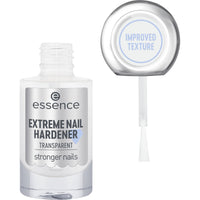
A nail hardener lays a firm film over your nail. That makes it break less easily and gives you the calm to let it grow out. It works, but it is a corset and not a cure: the nail underneath does not get any stronger from it.
So use it as a course of a few weeks and not for months on end. Hardeners with a hardening resin can actually make your nail more brittle over time. If your nails start to feel stiff and glassy, stop and switch to care.
Filing: the biggest gain in five minutes
Do not cut a split nail with scissors or clippers. That presses the layers apart and the tear keeps running.
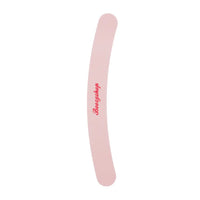
- File with a fine grit, 240 grit or finer, not with a coarse metal file
- File in one direction, from the side towards the middle, instead of sawing back and forth
- Keep the edge round rather than square, so you catch on things less easily
You will find a fine file under nail files.
Oil and cream, every evening
The most underrated step of all. Cuticle oil keeps your cuticle supple and your nail plate less dry, and a hand cream on top seals it in. Do it before you go to sleep, then it has all night to work.
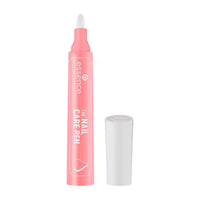
A nail serum works in the same way, but on the nail itself. Nothing exists that makes your nails grow faster, but a well cared for nail grows out more evenly and breaks less easily.
White spots and ridges
White spots almost always come from a small knock months ago, not from a calcium shortage. They grow out by themselves.
Ridges running lengthways are part of the deal and become more visible as you get older. You can smooth them lightly with a buffer, but stop as soon as your nail feels thin or warm. Deep ridges across the nail are something else: show those to your doctor.

How long before you see something
A fingernail grows about 3 millimetres a month. Replacing it completely therefore takes four to six months, and longer for toenails. You will see a difference at your cuticle within a week, on the nail itself only once the damaged part has grown out.
In short
- Gloves on for washing up and cleaning
- Cuticle oil with hand cream over it, every evening
- Filing with a fine grit, in one direction
- Hardener as a course of a few weeks, not as a fixed routine
- Keep them shorter until the tears have grown out
Everything you need for this is under nail care.